
Lockwood 3572 vs. Carbine Longreach
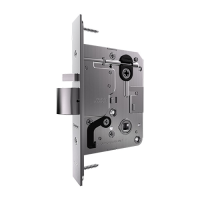
Lockwood 3572 vs. Carbine Longreach: A Mortice Lock Showdown
For years, the Lockwood 3572 has been a stalwart in Australian security, a familiar sight on residential and commercial doors alike. Known for its reliability and robust construction, it's become a go-to mortice lock for locksmiths and homeowners. Now, a new contender has entered the arena: the Carbine Longreach mortice lock. Promising extended reach and modern features, the Longreach aims to challenge Lockwood's dominance. But how does this newcomer stack up against a seasoned veteran?
A Tale of Two Locks:
The Lockwood 3572 boasts a solid zinc alloy body and a hardened steel strike plate, providing a strong level of security. Its universal latch design and adjustable strike make it a versatile option for various door configurations. Installation is generally straightforward, and its reputation for longevity precedes it.
The Carbine Longreach, on the other hand, arrives with a focus on adaptability. Its key feature is its extended latch projection, designed to accommodate thicker doors and frames where standard latches might struggle. While specific material details are still emerging in the market, Carbine emphasizes the lock's durability and smooth operation.
Key Comparisons:
-
Latch Projection: This is where the Longreach immediately differentiates itself. Its extended latch is a clear advantage for installations involving deeper door jambs or thicker doors – a common scenario in some modern architectural designs. The standard projection of the 3572 might require additional adjustments or alternative solutions in such cases.
-
Versatility: The Lockwood 3572's long-standing popularity is partly due to its versatility and ease of adaptation to different door types and handing. The Longreach is also aiming for broad compatibility, but its performance across a wide range of older or non-standard door setups remains to be fully seen in real-world applications.
-
Security Features: Both locks offer a good level of security suitable for general use. The hardened steel strike plate on the 3572 is a notable feature. We await detailed specifications on the Longreach's security mechanisms to make a direct comparison on features like cylinder compatibility and resistance to common attack methods.
-
Installation: Locksmiths are well-acquainted with the installation process for the Lockwood 3572. As a newer product, familiarity with the Carbine Longreach's installation may take time to build within the trade. However, manufacturers often focus on user-friendly installation to gain market traction.
-
Reputation and Reliability: Lockwood has built decades of trust in the Australian market. Carbine, while a recognised brand, needs to establish a similar long-term track record for the Longreach series. Initial impressions suggest a well-built product, but sustained reliability under various conditions will be the ultimate test.
The Verdict (For Now):
The Carbine Longreach enters the market with a compelling advantage in terms of latch projection, addressing a specific need in modern construction. This feature alone will make it an attractive option for certain installations. The Lockwood 3572 remains a reliable and widely trusted choice with a proven track record.
Ultimately, the "better" lock will depend on the specific application. For standard door installations where latch reach isn't an issue, the Lockwood 3572's established reliability and familiarity make it a safe bet. However, for situations requiring a longer reach, the Carbine Longreach appears to be a promising contender.
As you eagerly anticipate getting your hands on the Carbine Longreach, the industry will be watching closely to see how it performs in the field and whether it can carve out a significant share of the mortice lock market. This newcomer has the potential to shake things up, offering locksmiths and end-users another strong option for securing their properties. Only time will tell if it can truly stand toe-to-toe with the long-reigning Lockwood 3572.